
Exploring How Different Techniques Affect Our Planet
Removing tree stumps might seem straightforward, but the methods used can have significant impacts on the environment. While stumps are often removed for aesthetic reasons or to make way for new construction, it’s important to consider how these actions affect our planet. In this guide, we explore various stump removal techniques and their environmental consequences.
Why Tree Stump Removal Matters
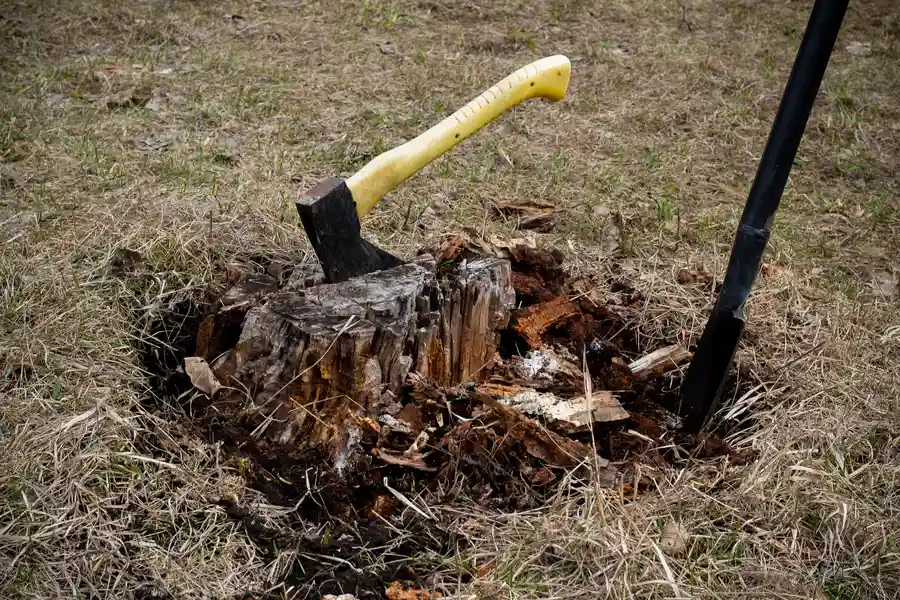
Tree stump removal is necessary for several reasons. It prevents the spread of pests and diseases that could threaten other plants. Furthermore, it allows for more effective land use, providing space for new plantings or developments. However, each method carries its own set of environmental effects that should be weighed when deciding the best approach.
Mechanical Extraction: Pros and Cons
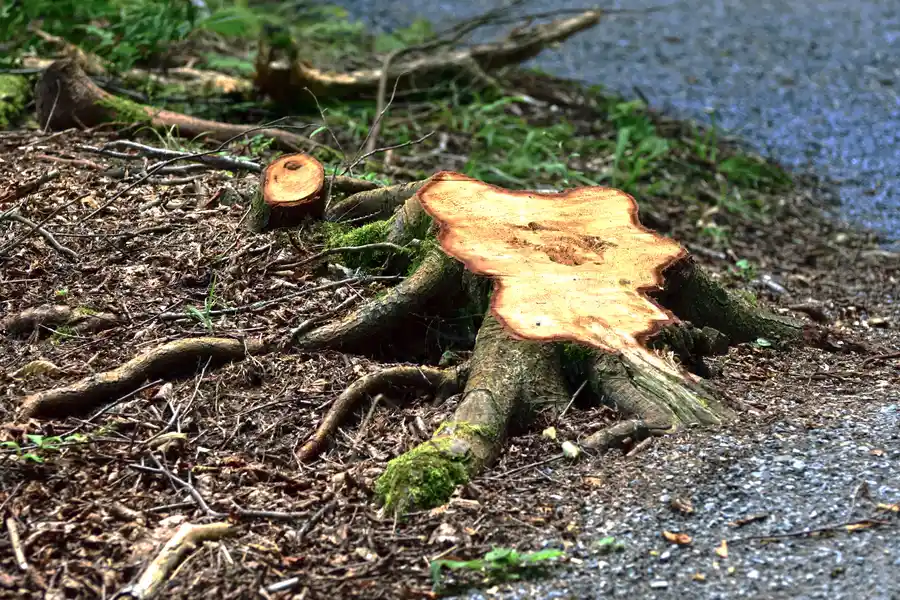
One common method is mechanical extraction, which involves using heavy machinery to remove stumps. This method is quick and efficient but can disturb the soil and harm nearby plant roots. Additionally, the fuel used by machinery contributes to air pollution.
- Quick and effective
- Can disturb surrounding soil
- Contributes to air pollution from machinery
Chemical Decomposition: an Overview
Another technique is chemical decomposition, where chemicals accelerate the natural decay process of a stump. Although less intrusive than mechanical means, these chemicals can leach into the soil and water, potentially harming local flora and fauna. Moreover, the process takes time, requiring patience before complete decomposition occurs.
The Role of Burning in Stump Removal
Burning is an alternative that some opt for due to its low cost and minimal equipment needs. However, burning releases carbon dioxide and other pollutants into the atmosphere, contributing to air quality deterioration. It’s also not suitable in areas with high fire risk.
Sustainable Alternatives to Traditional Methods
Sustainable practices are gaining traction as communities seek to minimize their ecological footprint. Techniques like grinding offer a more eco-friendly solution by reducing debris without uprooting large amounts of earth. Moreover, some choose to leave stumps to decay naturally, supporting biodiversity by providing habitat for wildlife.
- Grinding minimizes debris and soil disruption
- Natural decay supports local ecosystems
- Less pollution than traditional methods
Evaluating Your Options for Environmental Responsibility
When selecting a stump removal method, consider both immediate and long-term environmental impacts. Assess site-specific factors such as soil type, nearby vegetation, and wildlife habitats. Consulting with professionals who understand eco-friendly practices can guide you in making informed decisions that balance effectiveness and sustainability.
Steps to Ensure Environmentally Conscious Decisions
- Identify your primary goals for stump removal
- Research the environmental impacts of each method
- Consult with experts on sustainable practices
- Implement a method aligning with eco-friendly goals
Your Path Forward With Sustainable Solutions
The choice of how to handle tree stump removal can significantly affect the environment. By considering sustainable options and consulting with knowledgeable professionals, you can ensure that your approach aligns with environmental stewardship values. Contact Southwest Tree Service and Landscaping LLC at (505) 801-4284 to discuss how we can assist you with eco-conscious solutions in Farmington, NM.